Free. Fast. No Obligation.
Free Water Test. No Pressure. No Commitment.
No Sales Pitch. No Pressure. Just Answers.
We hear it all the time.
Other companies offer “free” water tests… then turn it into a long, uncomfortable sales appointment.
That’s not how we do things.
With Mid-Mo Water Solutions, you get:
- A completely free water test
- A quick and simple process
- Clear explanations you can understand
- No pressure to buy anything
You stay in control the entire time.
Here’s How It Works
Step 1: We Test Your Water

Step 2: We Explain the Results
Step 3: We Recommend Solutions
What Better Water Can Do for Your Home
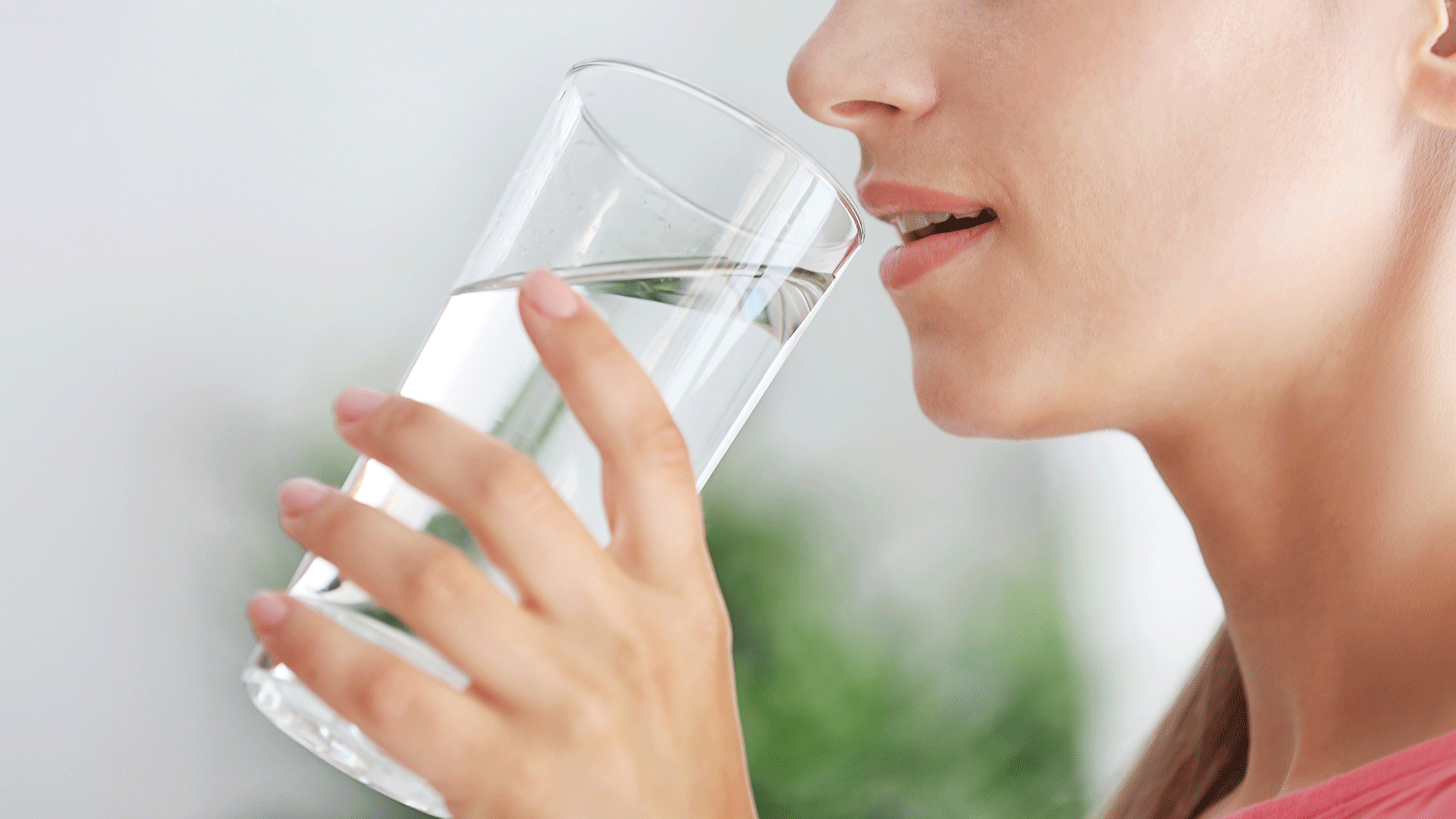
- ✔ Improve taste and smell of your drinking water
- ✔ Help appliances last longer
- ✔ Reduce buildup and cleaning time
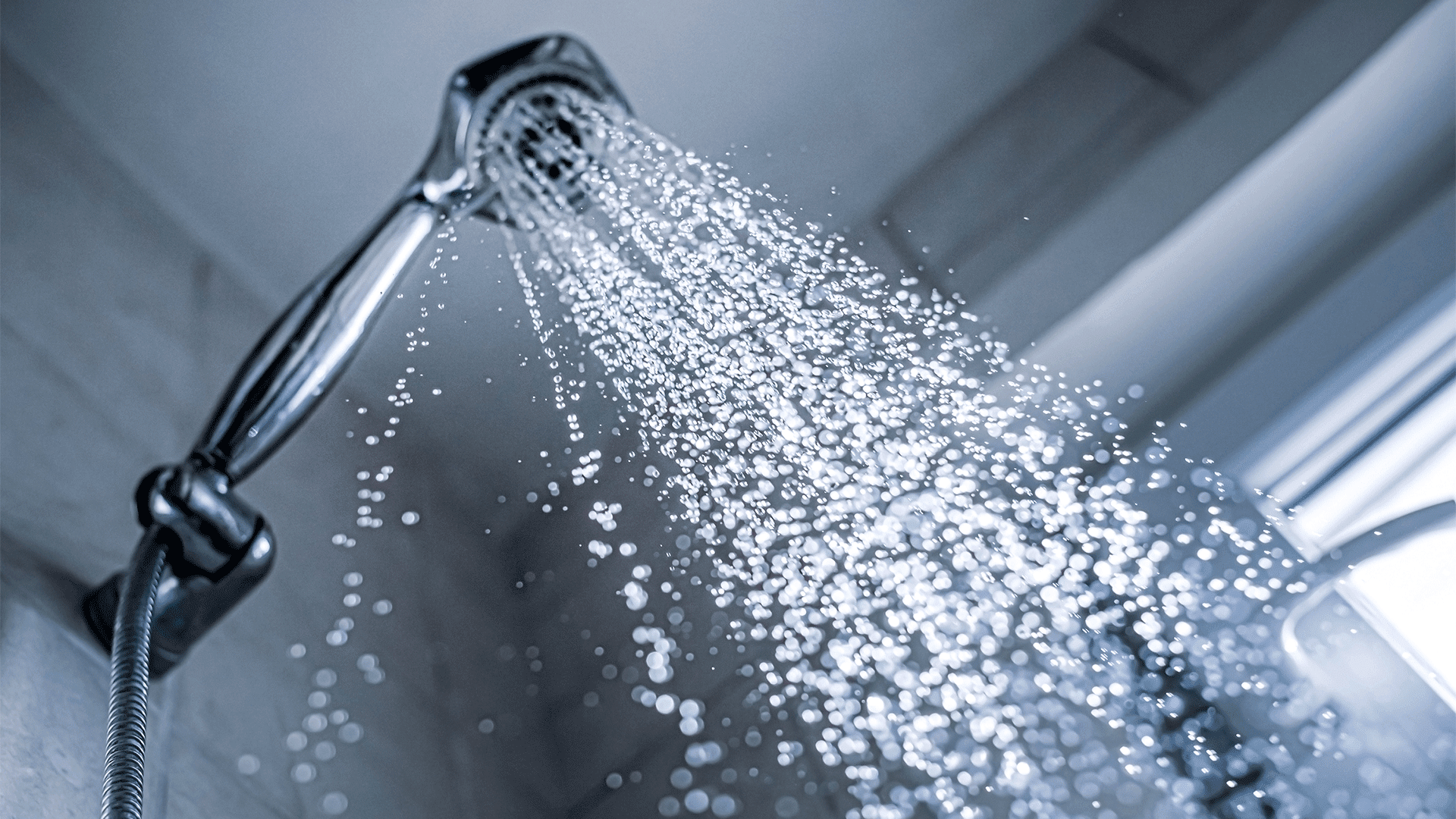
- ✔ Improve skin and hair feel
- ✔ Increase overall home efficiency
Better water is not just a luxury. It is something you use every day.

Our professionals can analyze your water for these common problems:

Hard Water
Show More
Hard water is caused by high mineral content in the water. These minerals are calcium and magnesium. They accumulate in your water through the water’s natural cycle. Calcium and magnesium leech to water as it runs over rocks and through soil. The threat of hard water varies across the country. Do you live in a hard water area?

CHLORINE & CHLORAMINES
Show More
Chlorine is often used as a disinfectant. It’s commonly found in swimming pools so bacteria doesn’t collect in the water making it smell. Many water treatment centers add chlorine to their water so harmful bacteria doesn’t make its way to your house. But too much chlorine can be harmful to your health.

IRON
Show More
If your water ever tastes metallic or leaves behind a distinct reddish stain, iron is present. Much like hard water, iron is present because the water is flowing over iron-bearing rocks. There are 2 types of iron contamination: ferrous and ferric. A water softener is the best way to fight back against iron.

Manganese
Show More
Manganese is a naturally occurring mineral that lives in sediment, rocks and soil. Manganese is an essential mineral, but a high concentration can be unhealthy to you and your home. The mineral leaves dark marks on water-using appliances and can stain sinks and drains.

Hydrogen Sulfide
Show More
The smell of rotten eggs is not pleasant. You can blame this on hydrogen sulfide. This gas smells like sulfur and is created by oil deposits and decaying vegetation beneath the earth’s surface. It gets in your water through metal corrosion and having a faulty water heater.

Sediment & Cloudy Water
Show More
Cloudy, dirty water is caused by sediments. These come from sand, dirt or other inorganic matter getting into wells, or by run-off of matter into the water supply. The cloudiness is simply these materials floating in the water. Sediments are more of a visual concern for people and can be removed by most filtration systems.

LOW pH
Show More
If you’re noticing bluish-green stains inside your toilet tank or on your fixtures, your water has a low pH level. Anything measuring less than 7 pH is considered acidic. Your water is acidic because of pollutions, whether it’s from airborne pollutants, runoff from a mining spoil or the decomposition of plant materials.

Arsenic
Show More
Arsenic is odorless and tasteless. The only way to identify its presence is to have the water tested through a state-certified lab. Arsenic is extremely toxic and known to cause cancer and hurt your immune system, leaving you susceptible to falling ill. This chemical gets in your water naturally through either erosion or industrial runoff.

Lead
Show More
Lead differs from other contaminants in that it rarely occurs naturally in a raw water supply. It gets in your water after it leaves the treatment plant. It dissolves in your water from old lead piping, lead solder or brass faucets. There is no safe level for lead exposure.

Nitrates
Show More
Nitrates often find their way into your water supply through the use of fertilizer. Spring water is vulnerable to this type of contamination when excess fertilizer isn’t fully absorbed by soil or crops. People in rural communities should test their water for nitrates because it is odorless and tasteless.

Microbes
Show More
Microbiologicals include any type of organic materials such as algae, mold and bacteria. These materials cause your water to taste and smell earthy or woody. State and federal governments require water distribution centers to provide biologically safe water, but private wells do not.

Pharmaceuticals
Show More
The Environmental Protection Agency requires water treatment plants to test for nearly 90 contaminants. Pharmaceuticals aren’t on the list. Traces of pharmaceutical compounds have been found in drinking supplies across North America, but it’s not known how these pharmaceuticals are a risk to your health.
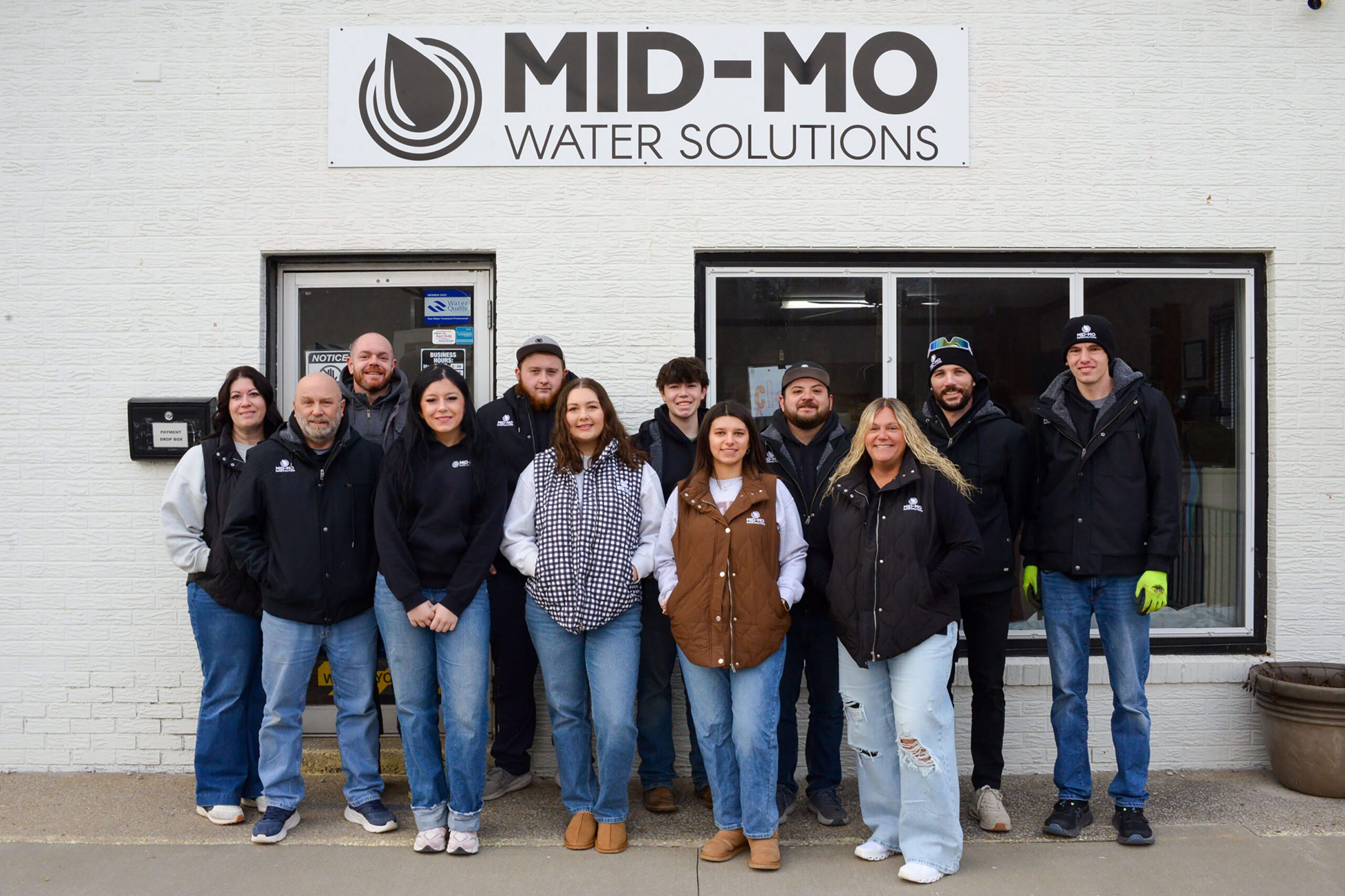
Your Trusted Local Water Experts
Mid-MO Water Solutions has decades of combined experience helping homeowners across Jefferson City, Columbia, Lake Ozark, and surrounding areas.
We understand local water conditions and provide solutions that actually work here.
Get Answers Without the Hassle
Find out what is in your water without sitting through a long sales pitch.
Quick visit. Honest answers. No pressure.