
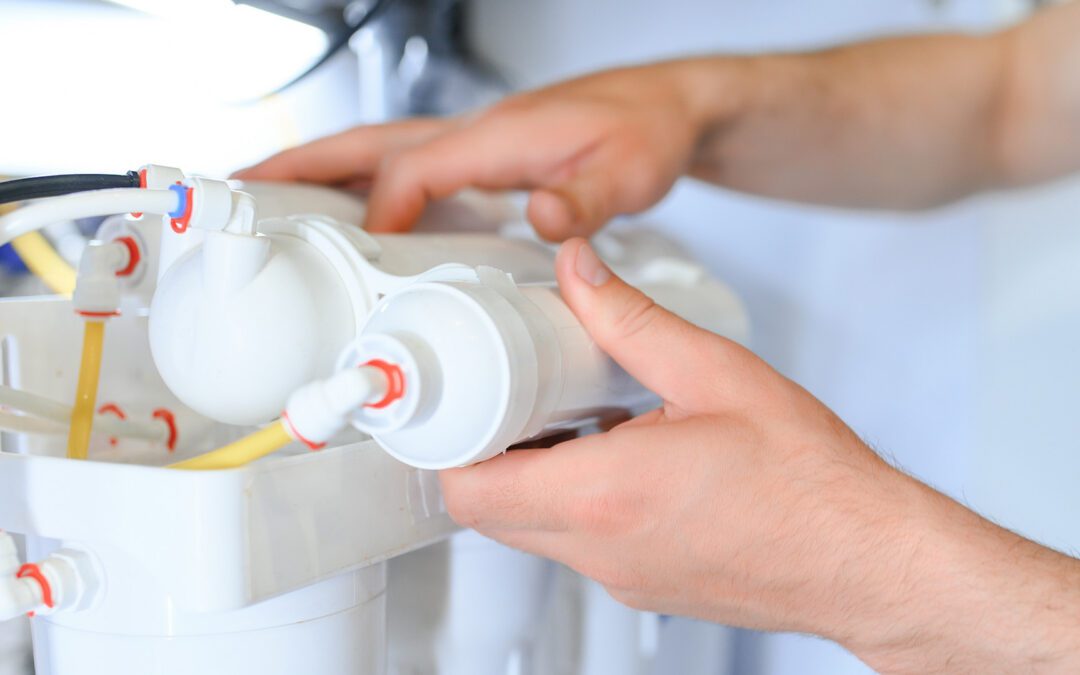
If you’ve decided to install a reverse osmosis system, you probably know it’s an efficient way to ensure your family has clean, safe drinking water without worrying about spending thousands of dollars on bottled water over the long haul.
However, you may be wondering, “How does the installation process work?” or “Will I enjoy purified water immediately after installation?”
This post delves into everything you need to know about installing a reverse osmosis water filtration system, from choosing the right option to maintenance requirements. Keep reading to learn more.
Top Reasons To Install a Reverse Osmosis Water Purification System
Reverse osmosis is arguably the most cost-efficient way to purify water for in-home use. Water passes through several filters and a semipermeable membrane that eliminates tiny contaminants that could compromise your family’s health. In the end, you’ll enjoy these benefits:
- Cleaner, great-tasting, refreshing water
- Up to 99% contaminant-free water
- No chlorine smell or taste in your water
- Zero plastic bottle waste
Choosing the Right Reverse Osmosis System Matters
To get the most value from your reverse osmosis system, you must choose the correct one for your needs. Suppose you want a space-saving system that delivers fresh, healthy drinking water on tap. In that case, you can’t go wrong with an under-sink water filtration system.
Homes with higher water consumption will require a larger setup. Before installing a reverse osmosis system, a reputable water filtration professional can recommend the most appropriate option for your household.
What To Do Before Installers Arrive
After choosing the best RO system, you may be wondering, “How do I prepare my house for reverse osmosis installation?”
Prior to the team’s arrival, ensure the area is tidy and without obstacles that may hamper the process. Clear all items from under your kitchen sink to ensure easy access for the installer.
If your system has a pump, make sure there’s a power outlet available. Your plumbing type also matters during RO installation. Therefore, your installer should know whether you have rigid pipes or flexible hoses under your sink, as it may influence the connectors required for the installation.
When in doubt about how to prepare for installation, ask your water filtration specialist for guidance.
How Reverse Osmosis System Installation Works
Your installation technician will first evaluate where the RO system will go, usually under the sink. While installations often take one to two hours, this can vary depending on the complexity of your setup.
Keep in mind that many reverse osmosis systems require 40-80 PSI of water pressure to perform efficiently. Your technician may recommend a booster pump if your water pressure is too low. Conversely, you may need a pressure regulator for excessively high pressure that gnaws at your filters quickly and necessitates premature replacements.
Regular Reverse Osmosis Filtration System Maintenance Is Essential
Your RO system can only work efficiently and deliver consistently clean water with proper maintenance. Sadly, many homeowners forget about filter and membrane replacements until they notice poor water quality or the system gives up altogether, at which point it may be beyond repair.
Water filtration specialists like Mid-MO Water Solutions recommend reverse osmosis membrane replacement every two to three years and filter replacement every six to 12 months, depending on your water usage and quality.
Reverse Osmosis FAQs
Is Reverse Osmosis Purified Water Safe for Drinking?
Yes. Reverse osmosis eliminates harmful contaminants that would otherwise make your water unhealthy to drink.
How Often Should I Replace My Reverse Osmosis System Filters?
You should change your reverse osmosis system filters every six to 12 months. The frequency often depends on your water quality, usage, and system type.
How Often Should I Service My Reverse Osmosis System?
You should call a water treatment specialist to check your RO system at least once per year to ensure optimal performance and longevity.
What Is the Best Water Filtration System for My Home?
Reverse osmosis is among the most efficient water filtration systems to have in your home, especially if you combine it with alkaline water filtration.
Final Takeaway
A professionally installed reverse osmosis system will ensure your family enjoys clean, healthy water free of odors, chlorine, heavy metals, and other harmful contaminants for years. As a bonus, you’ll save money and the environment by avoiding plastic water bottles.
Ready for a professional reverse osmosis system installation for your home? Contact the experts at Mid-MO Water Solutions today for a system that provides cleaner, safer, great-tasting drinking water for your family!