
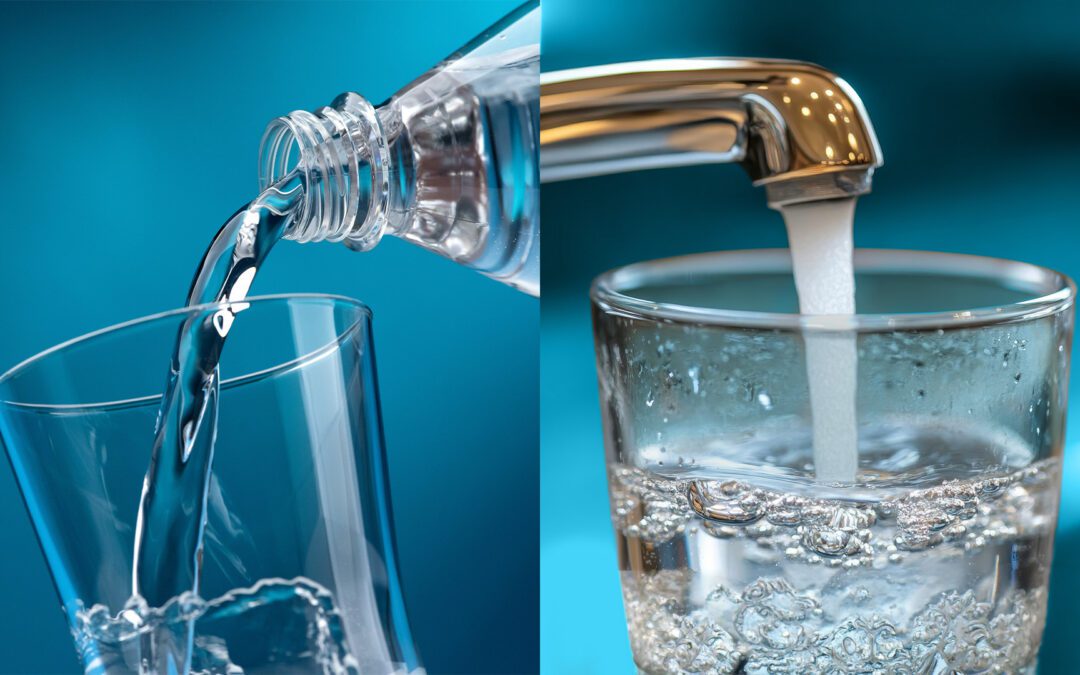
If you’ve ever loaded multiple cases of bottled water into a shopping cart and thought, “There has to be a better way,” you’re not alone. Buying bottled water cases from the store can feel like the easiest solution at first. But over time, a lot of people start weighing whether it still makes sense to keep buying cases, or if a home filtration system would be the smarter long-term choice.
In Mid-Missouri communities like Jefferson City, Columbia, and Lake of the Ozarks, the reasons vary. Some people don’t love the taste of their tap water. Others have well water that smells off or tastes metallic. And some just feel better knowing they’re drinking something filtered. Whatever the reason, the decision usually comes down to cost, convenience, and what’s actually in the water you’re buying.
Not All Bottled Water Is the Same
Before comparing store-bought bottles to in-home filtration, it’s worth understanding what you’re actually buying. “Bottled water” isn’t one thing.
A lot of single-use bottled water sold in stores is simply treated municipal tap water. It’s the same source coming out of your faucet, filtered and repackaged. Some brands use spring water sourced from a natural underground supply. Others use distilled water or water that’s been processed through reverse osmosis. The labeling can be vague, and unless you read the fine print, it’s hard to know exactly what you’re paying for.
That distinction matters, because if you’re buying store-brand cases at $5 or $6 a pop primarily for taste, there’s a good chance you’re paying a premium for water that started in a municipal system just like yours.
The Real Cost of Buying Bottled Water
The cost of single-use bottled water adds up faster than most people realize. Even a store-brand case of 40 bottles runs about $5.27. For a family of four going through a case a week, that’s over $20 a month, roughly $240 to $250 a year, at a minimum. Families buying name-brand water or more than one case a week are spending considerably more.
Beyond the expense, there’s the inconvenience of constantly restocking, the plastic waste from hundreds of single-use bottles every year, and the fact that your coffee, cooking water, and ice are still coming from the tap anyway. The bottles solve one small part of the problem while leaving everything else unchanged.
Why People Make the Switch to In-Home Filtration
For a lot of people, the switch happens gradually. The cost of bottled water starts to feel less justified. The bottles pile up. And it becomes clear that a home filtration system could provide better water from every tap, not just the ones used for drinking. Depending on what’s going on with your water, a filtration system can reduce chlorine taste, sediment, odors, and other concerns throughout the house.
For well water users, filtration can address issues like sulfur smells, iron staining, and sediment that bottled water never really solves. The problem is in every faucet, not just the one you drink from.
The convenience factor also flips once a system is installed. Instead of making store runs and hauling cases inside, you turn on the tap and have filtered water available for drinking, cooking, coffee, and ice. Over time, most people find that filtration costs significantly less than a steady bottled water habit.
How to Know Which Filtration Option Makes Sense for You
Not every water problem calls for the same solution, and that’s where a lot of people get stuck. Here’s a general breakdown:
- If chlorine taste or odor is the main issue, a carbon filter or water conditioner may be all you need.
- If you want highly filtered drinking water directly from the tap, a reverse osmosis system is one of the most effective options available.
- If water quality issues affect the whole house (bathing, laundry, appliances), a whole-home filtration system addresses the problem at the source.
- If hard water is the real culprit behind scale buildup, soap issues, or rough laundry, a water softener may be the better fit.
- If iron, sulfur, or sediment are the concern, specialized filtration is designed specifically for those problems.
The best solution is the one that matches your actual water conditions. That’s why it’s worth starting with a water test rather than guessing.
There’s Also a Middle Ground
For those who aren’t ready for a full in-home system, or who want great-tasting water without any installation, a filtered bottled water delivery service is worth considering. Unlike single-use store-bought bottles, Mid-Mo Water Solutions delivers locally bottled water that’s been processed through reverse osmosis, UV sterilization, and ozone sanitization. It arrives in reusable 5-gallon jugs that eliminate the plastic waste entirely. One jug replaces roughly 40 single-use bottles. There’s no installation, no store runs, and no lifting cases. It’s a cleaner, more convenient version of bottled water for homes or offices that want reliable access to filtered water on a schedule.
The Bottom Line
For short-term needs or specific situations like travel, emergencies, or temporary setups, single-use bottled water makes sense. But as an everyday solution for a household, the cost, convenience, and quality math rarely works in its favor. In-home filtration covers more of your home, costs less over time, and addresses the actual water issues that bottled water never really solves.
The right answer still depends on what’s actually in your water and what you’re trying to fix. That’s where a water test is the logical starting point.
Start With Your Water
Before spending another year buying cases from the store, it helps to know what you’re actually dealing with. Mid-Mo Water Solutions offers a free water test for homeowners in Jefferson City, Columbia, Lake of the Ozarks, and surrounding Mid-Missouri areas. From there, we can help you determine whether an in-home filtration system, a water delivery service, or another solution makes the most sense for your home.