
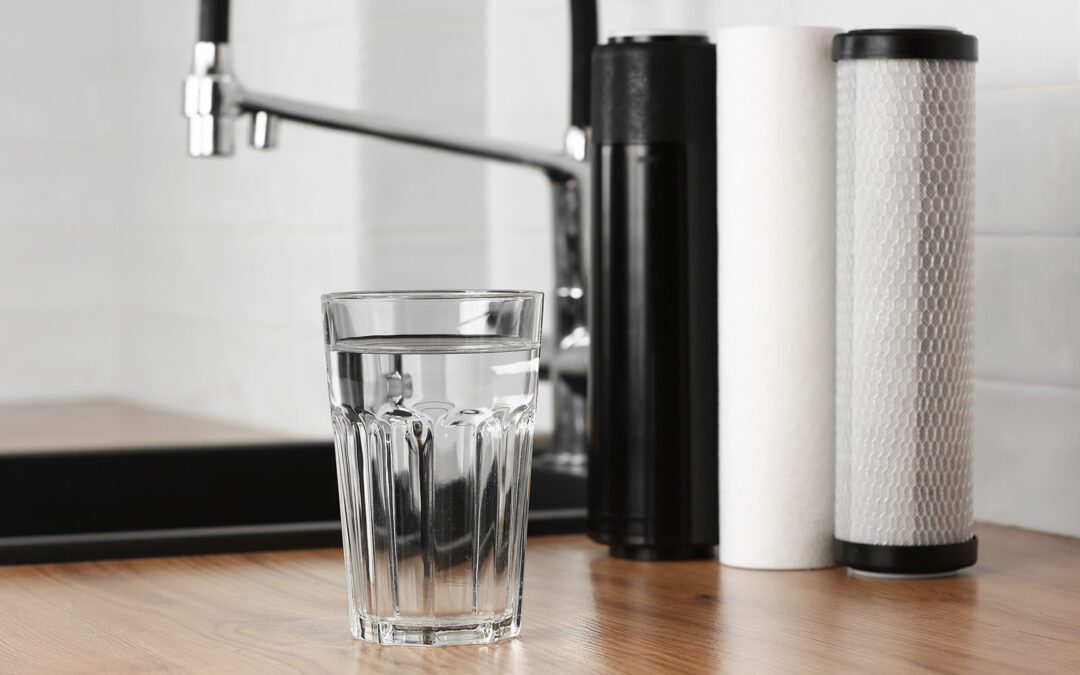
Reverse osmosis water is known for being highly filtered. That is one of the main reasons people choose it for drinking water. But because reverse osmosis can also reduce minerals like calcium and magnesium, you may wonder whether those minerals should be added back. That is where remineralization comes in.
Remineralizing RO water can improve taste, add some minerals back, and sometimes raise pH slightly. But the best approach depends on what you want to improve. For some people, the goal is better flavor. For others, it is mineral balance, convenience, or simply feeling more confident about the water they drink every day.
If you are in Mid-Missouri or anywhere else and are researching how to remineralize RO water, this guide will walk you through practical options, common mistakes, and what to consider before changing your setup.
Why Does Reverse Osmosis Remove Minerals?
Reverse osmosis systems work by pushing water through a very fine membrane designed to reduce dissolved substances in the water. That includes many water contaminants people want to reduce, but it can also include naturally occurring minerals.
As water passes through the membrane, dissolved particles are filtered before the water reaches your faucet. That is why RO water often has fewer dissolved solids and a cleaner, lighter taste compared to regular tap water.
Reverse osmosis can reduce minerals and dissolved solids such as:
- calcium
- magnesium
- potassium
- trace minerals
- total dissolved solids (TDS)
That does not automatically make RO water unhealthy. For most people, food is still the primary source of essential minerals. That is why remineralization is often more about taste, balance, and preference than fixing a nutritional problem.
Do You Need to Remineralize RO Water?
Not always. Some people enjoy RO water exactly as it is. Others prefer to add minerals back because they like the taste, mouthfeel, or balance better after remineralization.
The real question is not, “Does everyone need to remineralize RO water?” A better question is, “Would remineralization improve the drinking water experience for me?”
When remineralization may be helpful
Remineralization may be worth considering if:
- your RO water tastes flat
- you prefer more mineral flavor
- you want slightly higher pH water
- you drink RO water as your main water source
- you want a fuller or smoother mouthfeel
- you prefer a more balanced drinking-water experience
For many people, the biggest difference is taste. Remineralized water can feel less “empty” and more like the mineral-containing water they are used to drinking.
When remineralization may matter less
Remineralization may not be as important if:
- you already like the taste of your RO water
- your diet provides plenty of minerals
- you only drink RO water occasionally
- your main goal is contaminant reduction
- you want less maintenance or fewer manual steps
If your RO water tastes good to you and you are using it mainly for cleaner drinking water, you may not need to change anything.
Best Ways to Remineralize RO Water
If you are wondering how to remineralize RO water, there are several practical methods to consider depending on your goals and setup. The best method depends on how much control you want, how much maintenance you are comfortable with, and whether you want a built-in solution or a simple manual option.
|
Method |
Best For |
Main Benefit |
Main Tradeoff |
|
Remineralization cartridge |
Daily use and convenience |
Adds minerals automatically |
Requires system compatibility and replacement |
|
Mineral drops |
Flexibility and control |
Easy to adjust by glass or pitcher |
Requires manual use |
|
Mineral-rich salts |
Occasional simple use |
Low-tech option |
Less precise and may add sodium |
|
Blending with mineral water |
Simple taste improvement |
Easy to try without equipment changes |
Less controlled |
|
Alkaline or mineral pitcher |
Portable pH or taste adjustment |
Countertop convenience |
Results vary by cartridge |
Option 1: Use a Remineralization Cartridge or Filter
A remineralization cartridge is one of the easiest ways to add minerals back to RO water.
This type of filter is usually installed as a final stage after reverse osmosis filtration. As the filtered water passes through the cartridge, mineral media gradually adds minerals such as calcium or magnesium back into the water before it reaches the faucet.
This option is often a good fit if you drink RO water every day and want a lower-maintenance setup. Once the cartridge is installed, the process is automatic until the cartridge needs replacement.
A remineralization cartridge may help:
- improve taste
- add mineral balance
- slightly raise pH
- reduce the need for manual drops or additives
- create a more consistent drinking-water experience
It is not the only option, but it is one of the easiest for daily use.
Option 2: Use Mineral Drops for RO Water
Mineral drops are concentrated mineral blends that you add manually to RO water. They can be added to a glass, bottle, or pitcher depending on how you drink your water.
This option is flexible because you can control when and where you use the drops. It can also work well if you do not want to modify your RO system.
Mineral drops may be a good fit if you:
- want an easy manual option
- want control over taste
- use RO water in bottles or pitchers
- want a portable solution
- are not ready to add another filter stage
The main thing to remember is that mineral drops should be used according to the product label. Adding more is not automatically better, and the goal is balance.
Option 3: Add Mineral-Rich Salts Carefully
Some people use small amounts of mineral-rich salts to change the taste and mineral profile of RO water. While this can work in certain situations, it is less precise than a remineralization cartridge or mineral drops and may add sodium depending on the product used.
For most everyday drinking-water setups, cartridges or mineral drops are usually easier and more consistent.
Option 4: Blend RO Water With Mineral-Containing Water
Another simple option is blending RO water with mineral-containing water.
This can improve taste without adding equipment or using drops. For example, some people mix RO water with mineral water to create a flavor they prefer.
The benefit is simplicity. The tradeoff is that it is less controlled. The final result depends on the water you are blending with and the amount you use.
This may be a good option if you want to experiment with taste before committing to a more consistent remineralization method.
Option 5: Use an Alkaline or Mineral Pitcher
Some pitchers are designed to add minerals, adjust taste, or raise pH. These can be convenient because they sit on the counter or in the refrigerator and do not require changes to your RO system.
A pitcher may be useful if you want:
- a portable option
- simple taste adjustment
- a low-commitment way to try remineralization
- mineralized water without system modifications
However, results vary by product and cartridge. An alkaline or mineral pitcher should not be treated as the same thing as a professionally evaluated RO setup. It can be a useful tool, but it is not always the most consistent solution.
What Minerals Should Be Added Back to RO Water?
The most commonly discussed minerals for RO remineralization are calcium and magnesium. Some products may also include potassium or trace minerals.
Calcium and magnesium
Calcium and magnesium are often the main minerals people think about when they talk about remineralizing reverse osmosis water. They can affect taste, mineral balance, and how the water feels when you drink it.
Many remineralization cartridges and mineral drops focus on adding these types of minerals back in small amounts.
Trace minerals and electrolytes
Some mineral drops for reverse osmosis water include trace minerals or electrolytes. These may affect taste and the way the water feels to drink.
That does not mean every glass of RO water needs added electrolytes. For daily drinking water, the goal is usually a balanced taste and mineral profile, not turning water into a supplement.
More minerals does not always mean better water
Adding minerals to reverse osmosis water should be done with balance in mind. Too many minerals can affect taste, and some additives may increase sodium.
The goal is not to add as much as possible. The goal is to add enough to improve taste, balance, or preference without overcomplicating your drinking water.
Common Mistakes to Avoid When Remineralizing RO Water
Reverse osmosis remineralization does not need to be complicated, but there are a few common mistakes worth avoiding.
Assuming everyone needs remineralization: If you already like the taste of your RO water and mainly use it for contaminant reduction, standard RO water may already work well for you.
Adding too many minerals: More is not always better. Overusing water remineralization drops, salts, or additives can affect taste and create an unbalanced drinking-water experience.
Confusing alkaline water with remineralized water: Remineralization may raise pH slightly, but the main goal is usually improving taste and mineral balance, not simply increasing pH.
Using non-food-grade additives: Only use products designed for drinking water. Aquarium, plant, or specialty-use mineral products are not appropriate for household drinking water.
Ignoring your actual water quality: Before adjusting your filtration setup, it helps to understand your water and what you want to improve. A water test can help you make a more informed decision instead of relying on generic online advice.
Before You Add Minerals Back, Start With Your Water
Before changing your RO setup, it helps to know what is actually in your water and what you want to improve.
Are you trying to improve taste? Add minerals? Raise pH slightly? Make daily drinking water feel more balanced? Or are you mostly concerned about what your water may contain before filtration?
A water test can help determine whether remineralization, filtration adjustments, or another water solution makes the most sense for your home.
If you are in Jefferson City, Columbia, Lake Ozark, or another Mid-Missouri community, you can contact Mid-Mo Water Solutions to talk through your water concerns and find a practical solution based on your home, your water, and your goals.
Frequently Asked Questions
How do you increase minerals in RO water?
You can increase minerals in RO water by using a remineralization cartridge, mineral drops, mineral-rich additives, or blending RO water with mineral-containing water. The best method depends on your goals and how much convenience or control you want.
What is the best way to remineralize RO water?
For daily use, a remineralization cartridge or mineral drops are often the most practical options. The best choice depends on whether you want convenience, flexibility, or a simple way to improve taste.
Can you add mineral drops to RO water?
Yes. Mineral drops are one common way to remineralize RO water. Follow the product label and avoid overuse.
Can you add electrolytes to RO water?
Yes, you can add electrolytes to RO water, but it is not necessary for everyone. Electrolytes may be useful depending on personal goals, activity level, or taste preference.
What happens if you don’t remineralize RO water?
For many people, nothing noticeable happens beyond a cleaner or flatter taste. RO water is not automatically unhealthy without added minerals, though some people prefer remineralization for taste and balance.