
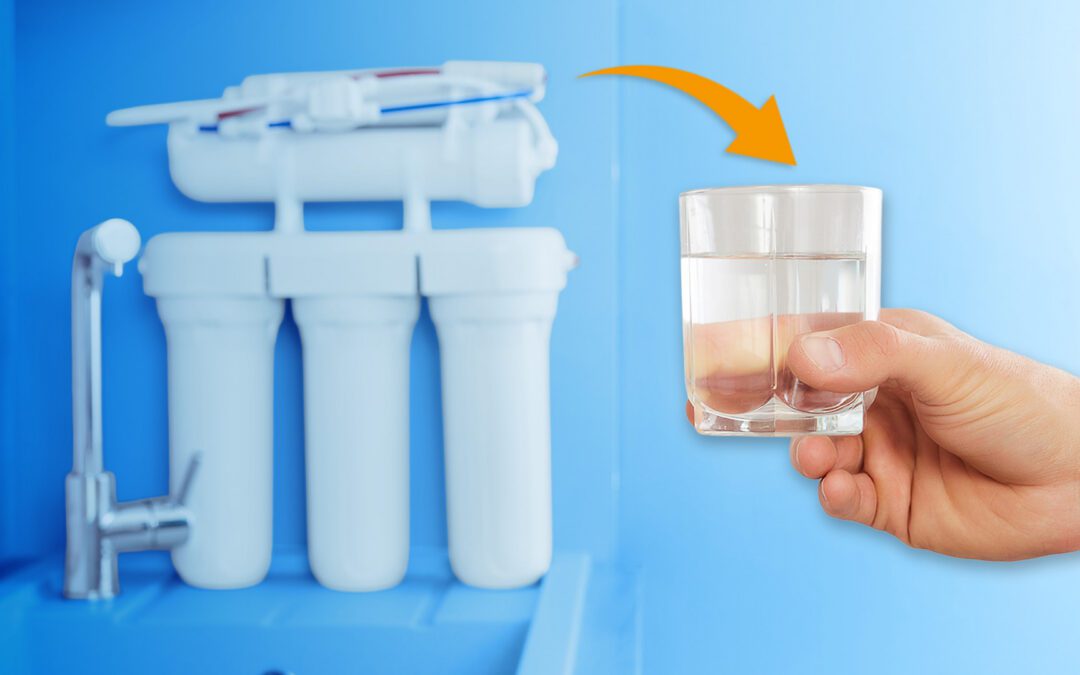
If you’re on city water and thinking about reverse osmosis, you’re probably asking a very practical question: do you actually need it, or is it more than your home really requires? That uncertainty is common, especially when you hear mixed opinions online about tap water, filtration systems, and whether reverse osmosis is really necessary.
Reverse osmosis is often a smart option for city-water homes because it can improve taste, reduce many dissolved contaminants, and provide high-quality drinking water right at the tap. Even when municipal water is treated, many families choose RO for added confidence.
The right fit depends on what problem you are trying to solve, whether that is taste, chlorine odor, concern about certain contaminants, or a desire for cleaner drinking water at home.
This guide is here to help you make a smart decision based on your actual water concerns, including when reverse osmosis is a strong fit, when a simpler filter may work, and how to choose the right solution.
So, Do You Really Need Reverse Osmosis for City Water?
Even when city water meets treatment standards, many people on city water still choose reverse osmosis for cleaner taste, added confidence, and higher-quality drinking water at the tap. Municipal treatment helps make water safe, but it does not always remove everything that may affect taste, clarity, or peace of mind.
Reverse osmosis can help reduce many dissolved contaminants, including metals, nitrates, mineral salts, and other unwanted impurities. It is often a good fit if you want better-tasting water, have older plumbing concerns, or simply want a higher level of filtration for drinking and cooking water.
If your main issue is chlorine taste or hard water, a carbon filter or water softener may also be worth comparing depending on your goals.
Is City Water Already Safe to Drink?
For most homes, city water is treated and regulated before it reaches the distribution system. That means municipal water is usually considered safe enough to meet basic drinking-water standards.
Still, “meets standards” does not always mean everyone feels fully satisfied with what comes out of the tap. Some people are bothered by taste or odor. Others are concerned about older pipes, certain dissolved contaminants, or simply want higher-purity drinking water for cooking and daily use.
Municipal systems are designed to treat water before water reaches your home, which is an important first layer of protection. However, treatment standards do not always address everything that may affect taste, odor, clarity, or personal preferences. That is one reason many families still choose reverse osmosis systems for an added level of filtration and cleaner drinking water at the tap.
Even when city water meets standards, many people still notice things they do not love, such as:
- chlorine taste or smell
- water that does not taste as clean as they want
- concern about lead or older plumbing
- worry about dissolved contaminants
- a preference for bottled-water-like drinking water at home
That is why the better question is often not just “Is city water safe?” but also, “What do I want to improve about it?”
Why Reverse Osmosis Is Worth Considering
Reverse osmosis can be a smart solution in some city-water homes. The key is understanding when its strengths actually match the problem.
Specific dissolved contaminants: Reverse osmosis is often considered when people are concerned about certain dissolved contaminants that a simpler filter may not address as thoroughly. Depending on the system and the water itself, that may include concerns such as lead, arsenic, nitrates, PFAS, fluoride, or high total dissolved solids. That does not mean every city-water home has these issues at meaningful levels. It means RO may be worth evaluating when these are your specific concerns rather than just a general desire for “something better.”
Older plumbing concerns: A city’s water may leave the treatment plant within standards, but what reaches your faucet can still be affected by household plumbing conditions. That is one reason people in older homes often choose reverse osmosis for drinking water. If you are concerned about what happens between the street and your sink, especially in an older house, an under-sink RO system is worth looking into.
High-purity drinking water: Some people are not responding to a problem so much as a preference. They want water for drinking and cooking that feels as clean and refined as possible. That is where reverse osmosis often makes the most sense: point-of-use drinking water, not necessarily whole-home treatment. If your goal is very clean water at the kitchen sink, RO is often a worthwhile upgrade even when your city water is already generally safe.
Taste preference: Some people choose reverse osmosis because they want water that tastes closer to bottled water. It is simply a personal preference for cleaner, fresher-tasting drinking water at home. If taste is your main goal, reverse osmosis is often a strong option, although it is not always the first place to start. In many homes, a carbon filter may improve taste enough without adding the extra complexity of RO.
If you are not sure what is causing your water issues, a free water test can help identify the problem and point you toward the right solution.
When Other Filtration Options May Fit Better
If your water tastes like chlorine or has a noticeable odor, reverse osmosis is a strong option for improving drinking water taste while also providing added filtration benefits. Carbon filtration can also help reduce chlorine taste and odor, especially when that is your primary concern. The best starting point depends on whether you want taste improvement alone or a higher level of overall drinking-water filtration.
If your local water report looks good, your plumbing is in good shape, and you are not trying to solve a specific issue, reverse osmosis may not add enough value to justify the added maintenance and tradeoffs. That does not make RO a bad option. It just means it may not be necessary in every home.
Whole-house reverse osmosis is typically a more advanced solution than many city-water households need. It involves greater investment, more maintenance, and a broader treatment scope than a point-of-use system. If your main focus is drinking and cooking water, an under-sink RO system is often the more practical fit.
Reverse Osmosis vs Carbon Filter vs Water Softener
When choosing the type of system you need, it helps to understand what problems each one is designed to solve. Here’s a quick breakdown of which option fits the most common water issues we see.
Reverse osmosis
A reverse osmosis system pushes water through a special membrane that helps reduce many dissolved contaminants. It is usually best for:
- drinking water purification
- cooking water
- specific dissolved contaminant concerns
- homeowners who want higher-purity water at one tap
Carbon filter
Carbon filtration is often a better fit when the main goal is:
- better taste
- better odor
- chlorine reduction
- general improvement in drinking water quality
If your complaint is mostly about taste or smell, carbon may be the better first option.
Water softener
A water softener is designed for hardness minerals, not drinking-water purification. It is often the right answer when your issues include:
- white scale buildup
- soap not lathering well
- spots on dishes
- hard water affecting appliances
- mineral-related buildup around fixtures
If your real problem is hard water, a softener is usually a better first move than reverse osmosis.
Which system solves which problem?
|
Problem |
Better First Option |
|
Chlorine taste or odor |
Carbon filter |
|
Hard water scale or spots |
Water softener |
|
Lead or dissolved contaminant concern |
Reverse osmosis may help |
|
Drinking water purity only |
Under-sink RO |
If you are still unsure whether reverse osmosis, carbon filtration, or softening is the best fit, a water evaluation can help confirm what problem you are actually trying to solve.
Under-Sink vs Whole-House Reverse Osmosis
Reverse osmosis systems do create reject water as part of the filtration process, meaning not all water that enters the system becomes purified drinking water.
For most people on city-water, point of use water filtration makes more sense than whole-house RO. It focuses treatment where purity matters most—usually drinking and cooking water—while keeping cost, maintenance, and water waste more manageable.
An under-sink system is often the most practical choice because it gives you purified water where you actually use it most, without treating every faucet, shower, and appliance line in the house.
Whole-house reverse osmosis is often more than a city-water home needs because it usually involves:
- higher upfront cost
- more maintenance
- more water waste
- more system complexity
That does not mean it is never appropriate. In some unusual cases involving confirmed whole-home water-quality issues, it may make sense. But for most municipal-water households, it is not the starting point.
The better first question is usually: do I want cleaner drinking water at the kitchen sink, or am I trying to solve a whole-home water problem?
Get the Right Solution Before You Spend Money
Before you invest in reverse osmosis, it helps to confirm whether RO is actually the right fit for your home.
For some city-water homes, it absolutely is. For others, a carbon filter, a softener, or a simpler drinking-water solution may make more sense. The goal is not to choose the strongest system by default. The goal is to choose the right one.
If you are trying to decide whether reverse osmosis is really necessary for your home in Mid-Missouri, a water test can help identify whether RO, carbon filtration, a softener, or a simpler solution makes the most sense. Reviewing your water report and getting your water evaluated before buying equipment can save you money and help you avoid solving the wrong problem.
Frequently Asked Questions
Do you need a reverse osmosis system on city water?
Many people on city water choose reverse osmosis for cleaner taste, added confidence, and a higher level of drinking-water filtration. If you want help reducing certain dissolved contaminants, addressing older plumbing concerns, or improving water quality at the tap, reverse osmosis is often a smart solution.
Is reverse osmosis worth it for city water?
Reverse osmosis is often worth it for city water if you want cleaner taste, added filtration, or greater confidence in your drinking water. If your issue is just chlorine taste or odor, a carbon filter may be enough.
Can reverse osmosis soften water?
No. Reverse osmosis is not the right whole-home solution for hard water. If your problem is scale, spots, or soap performance, a water softener is usually the better option.
Does reverse osmosis use a lot of water?
RO systems do create wastewater as part of filtration. That tradeoff is usually easier to justify for point-of-use drinking water than for whole-house treatment in a typical city-water home.
Is a carbon filter enough for city water?
In many cases, yes. If your main concern is chlorine taste, odor, or general drinking-water improvement, a carbon filter may be the better first option.
Should I choose under-sink or whole-house reverse osmosis?
For most city-water homes, under-sink reverse osmosis is the more practical fit. Whole-house RO is often unnecessary unless there is a confirmed whole-home water-quality issue.
What should I check in my city water report before buying a filter?
Start by looking for anything that connects to your concern, such as dissolved contaminant questions, taste and odor issues, or plumbing-related context. If you still are not sure what matters most, testing can help you make a more confident decision.